
Planning a garden for year-round use
Practical guidance for homeowners across Surrey, Sussex and Hampshire.
A garden that works all year needs more than summer flowers.
Give the garden structure
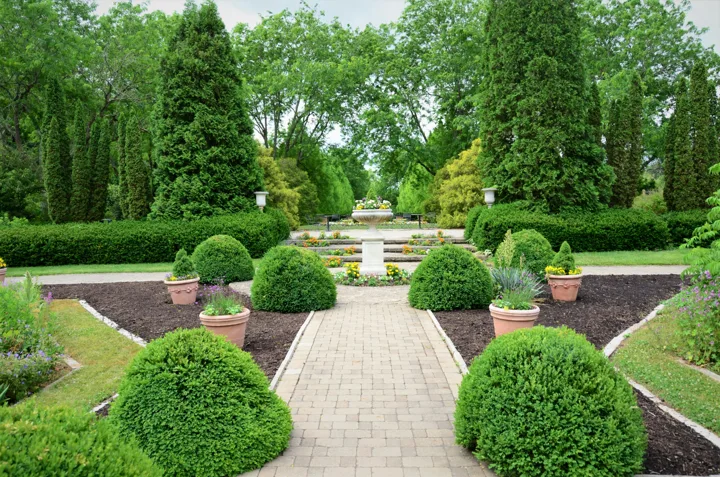
Start with structure. Trees, hedges, evergreen shrubs, walls, paths and larger grasses hold the garden together when plants that die back in winter has died back. They are what you see from the house in January as well as July.
Make it useful beyond summer
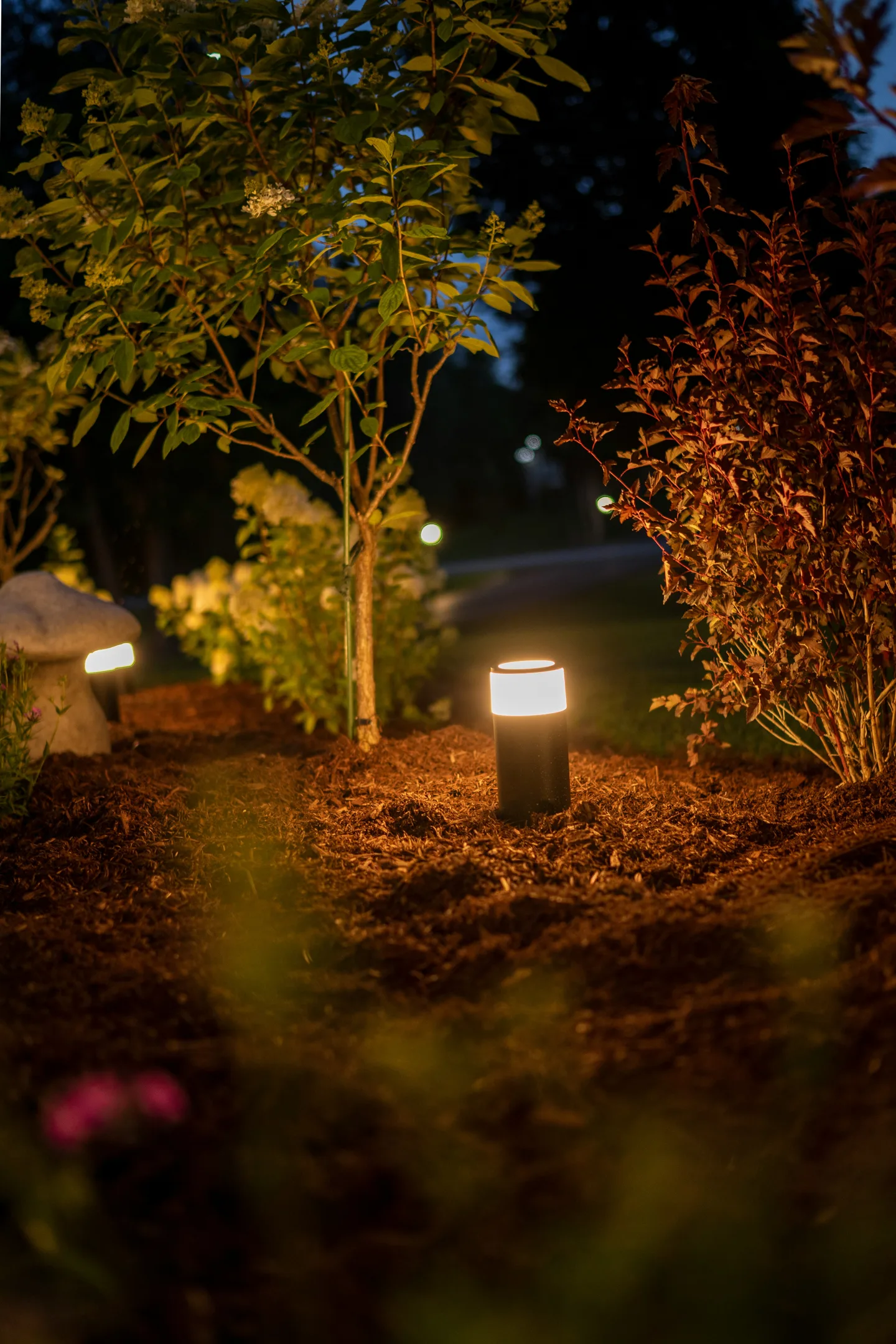
Think about how the garden is used outside high summer. A sheltered seat that catches low winter sun may be more useful than a large terrace in deep shade. Good paths make a garden easier to use when the ground is wet. Lighting can make the garden feel present in the evening even when nobody is outside.
Extend interest through the seasons
Planting should also have more than one season of interest. Bark, seed heads, berries, winter stems, evergreen foliage and early bulbs can all extend the year.
Keep practical routes working
Practical details matter too. Storage, drainage, access to bins, firewood, garden buildings and routes between the house and garden should still work in bad weather.
Year-round use does not mean trying to make every corner busy in every season. It means making sure the garden still has shape, purpose and something worth looking at when summer is over.
A strong garden should not disappear for six months of the year.
Dealing with this in your own garden?
Tell us what you need help with. We will suggest the next step.
Tell us about your garden